

18 Luxury Bedroom Ideas That Bring a Boutique Hotel Feel Home
Luxury bedroom ideas can help turn an ordinary sleeping space into a relaxing retreat that feels polished, comfortable, and thoughtfully designed. The secret to achieving a boutique hotel atmosphere at home isn’t filling the room with expensive furniture or oversized decorations. Instead, focus on the details that make high-end hotel bedrooms feel special: beautifully layered bedding, soft lighting, carefully chosen colors, tactile fabrics, and uncluttered surfaces.
Whether you’re decorating a spacious primary bedroom, refreshing a smaller apartment, or planning a more substantial renovation, you can borrow these design principles to create a room that feels personal rather than staged. Some ideas involve simple changes, such as replacing bedside lamps or upgrading your linens, while others introduce custom millwork, upholstered walls, or architectural features.
These 18 luxury bedroom ideas offer a range of styles, from understated neutrals to dramatic, moody interiors, with practical ways to adapt each look to your own home.
Create a Statement Upholstered Headboard
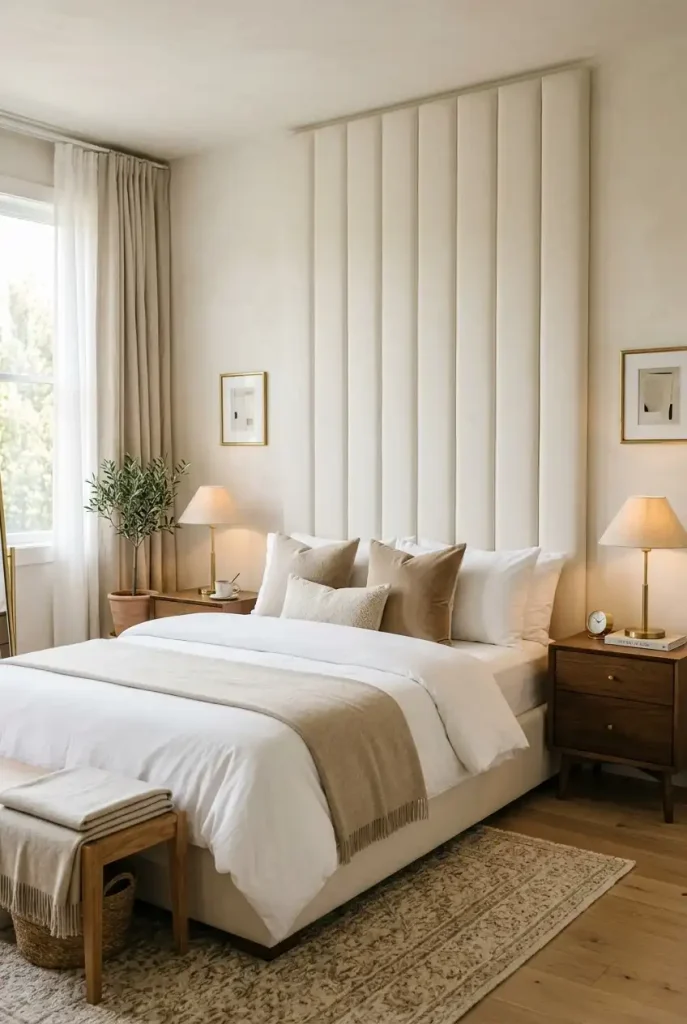
An oversized upholstered headboard can give a bedroom the tailored appearance of a well-designed hotel suite. Choose a design in cream, oatmeal, taupe, or soft gray, with enough height to create a strong focal point behind the bed. A gently curved silhouette feels softer, while a tall rectangular headboard creates a more architectural finish.
For a more elevated look, extend the headboard across much of the bed wall. Pair it with crisp white sheets, a textured duvet, and two or three carefully arranged pillows rather than an overcrowded stack. If a custom installation isn’t practical, a tall upholstered headboard with matching bedside tables can create a similar sense of proportion.
Layer White Bedding With Hotel-Style Precision
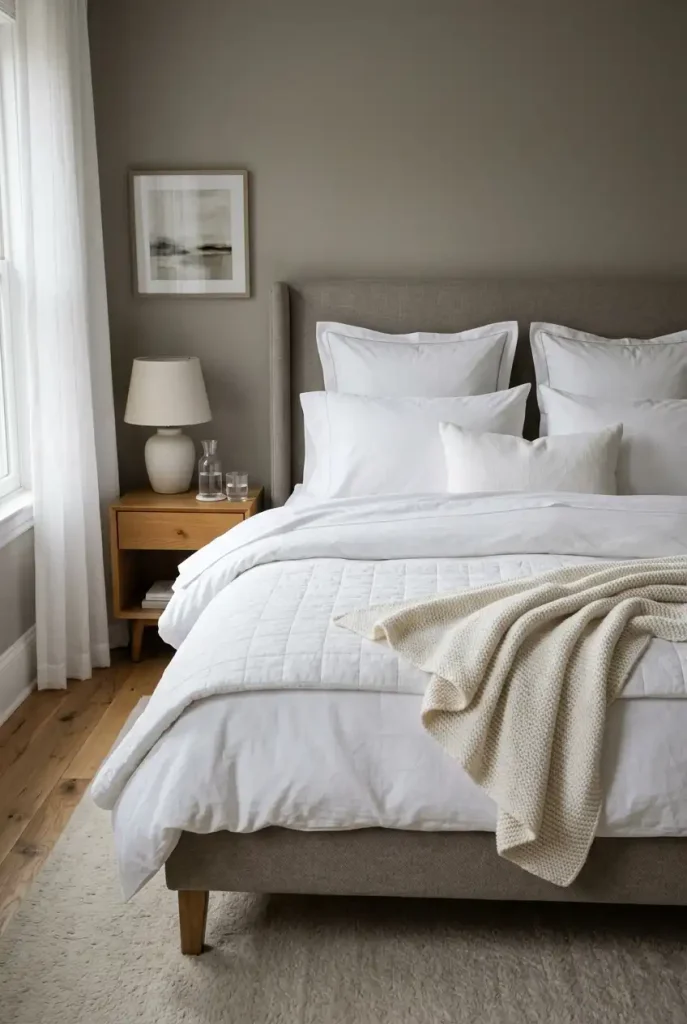
Beautiful bedding is one of the most recognizable features of a boutique hotel bedroom. Start with breathable sheets, add a substantial duvet, and finish with a folded coverlet or lightweight blanket at the foot of the bed. Combining different textures gives an all-white palette depth without making it feel busy.
Try white cotton sheets with a subtle percale finish, a softly quilted coverlet, and a few pillows in complementary shades. The bed should look inviting rather than stiff. A duvet with enough loft creates a fuller appearance, while neatly arranged pillows keep the overall presentation composed.
Tips for a polished bed:
- Use two sleeping pillows per side when appropriate for the bed size.
- Mix smooth cotton with quilted or woven textures.
- Fold the top layer neatly rather than piling on extra blankets.
- Choose washable fabrics that suit your everyday routine.
Introduce a Warm Neutral Color Palette
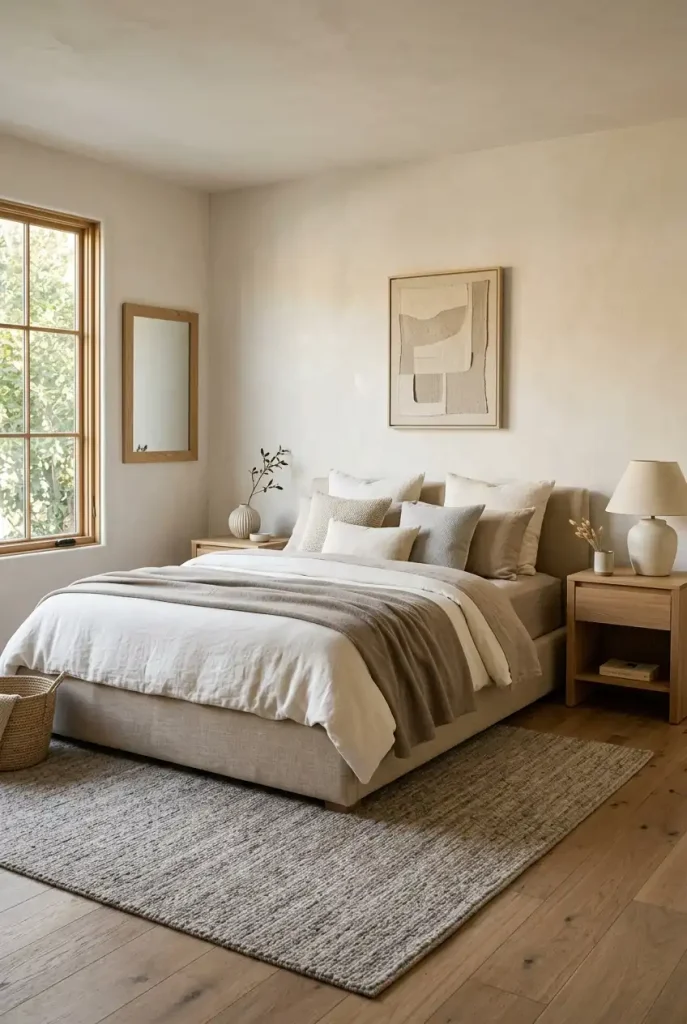
Warm neutrals create a calm foundation that feels sophisticated without relying on strong decorative statements. Combine ivory walls, sand-colored bedding, taupe upholstery, and natural oak furniture to build a palette with subtle variation. The goal is to make each surface feel distinct even when the colors sit close together.
Avoid using exactly the same beige shade on every surface. A creamy wall, a slightly darker upholstered bed, and a natural wood nightstand provide contrast without disrupting the quiet atmosphere. Black or aged-brass details can add definition in small doses.
For a smaller bedroom, keep the largest surfaces light and introduce deeper tones through cushions, artwork, or a rug.
Add a Sculptural Chandelier
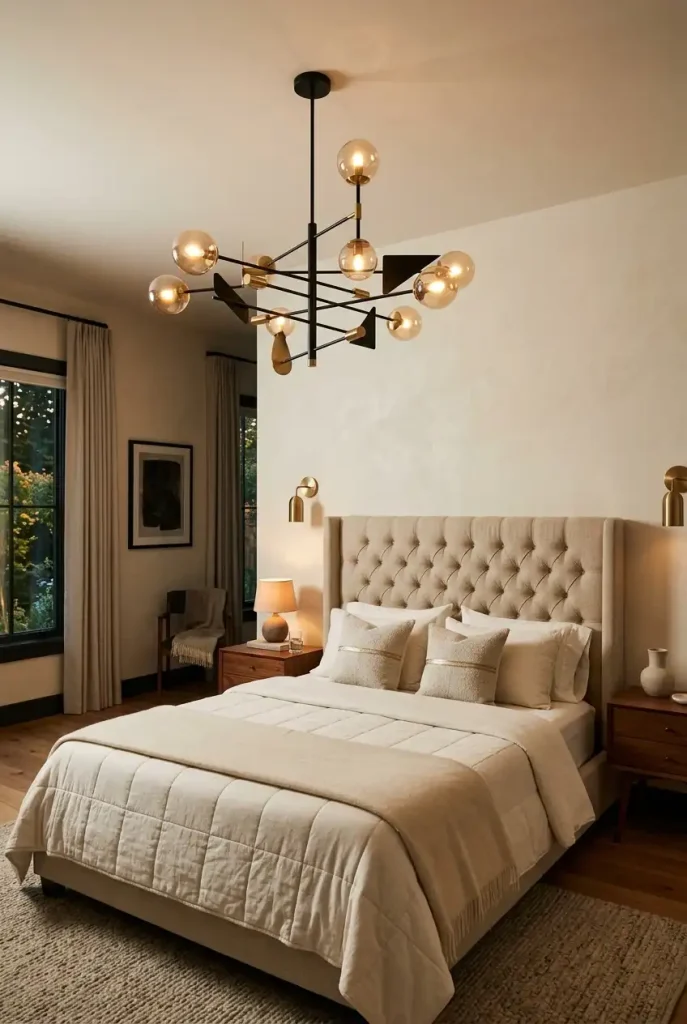
A well-proportioned chandelier can make the bedroom feel intentionally designed from ceiling to floor. Consider an organic sculptural fixture, a contemporary globe chandelier, or a refined pendant with a soft metallic finish. The shape should complement the room’s architecture rather than compete with the bed.
For the best visual balance, consider the fixture’s scale in relation to the bed and ceiling height. A dramatic chandelier may suit a spacious primary bedroom, while a compact pendant or semi-flush mount often works better in a room with a lower ceiling.
Choose warm, dimmable lighting where compatible with the fixture. If you’re replacing a hardwired ceiling light, have the installation handled appropriately and make sure the fixture is securely supported.
Design a Moody, Dark Bedroom
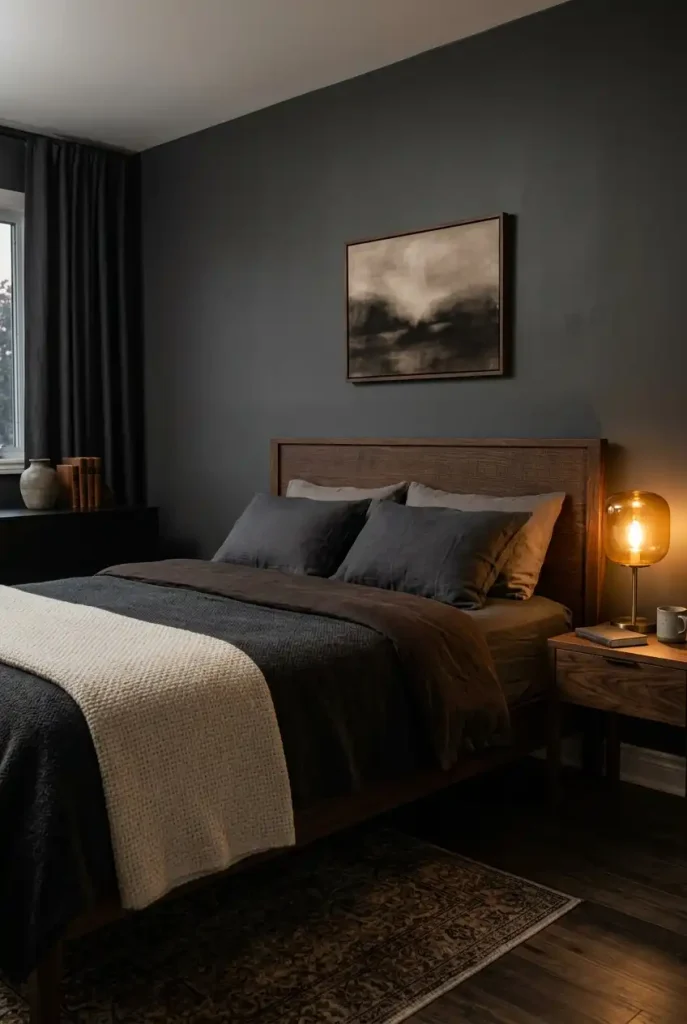
Not every luxurious bedroom needs to be pale and neutral. Deep charcoal, forest green, midnight blue, and chocolate brown can create a cocoon-like atmosphere that feels intimate and restful. The key is to balance the darker surfaces with tactile materials and well-planned lighting.
Consider painting the walls a rich, muted color and pairing them with walnut furniture, linen bedding, and warm bedside lamps. A lighter throw or a few ivory pillows can break up the darker palette without weakening the effect.
Common mistake: Using dark paint with insufficient lighting can make a room feel flat. Add several light sources at different heights, such as bedside lamps, wall sconces, and a ceiling fixture, rather than depending on a single overhead light.
Install Elegant Wall Paneling
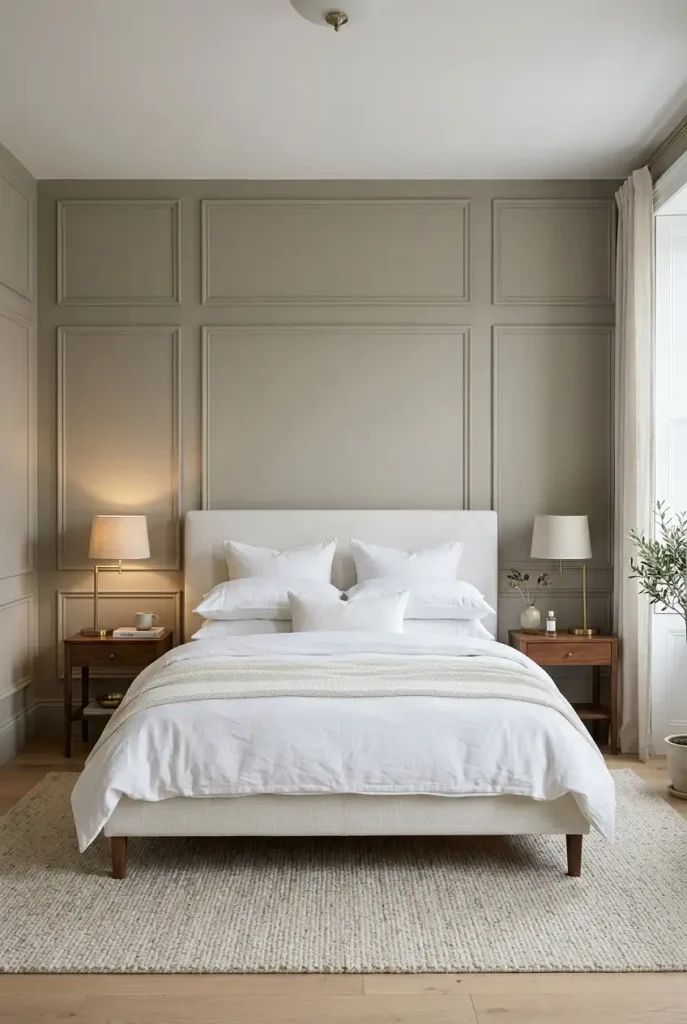
Wall paneling introduces architectural interest and gives the bed wall a finished appearance. Simple applied molding, narrow vertical battens, or large rectangular panels can all work, depending on whether you prefer a contemporary, transitional, or traditional interior.
Paint the paneling the same color as the surrounding wall for a subtle effect, or use a slightly deeper shade behind the bed to emphasize the room’s focal point. Pair the treatment with restrained artwork and streamlined nightstands so the wall detail remains prominent.
For an accessible update, decorative molding can create a similar visual rhythm without requiring expensive custom joinery. Measure carefully before installation, particularly around outlets, switches, and bedside fixtures.
Use Floor-to-Ceiling Curtains
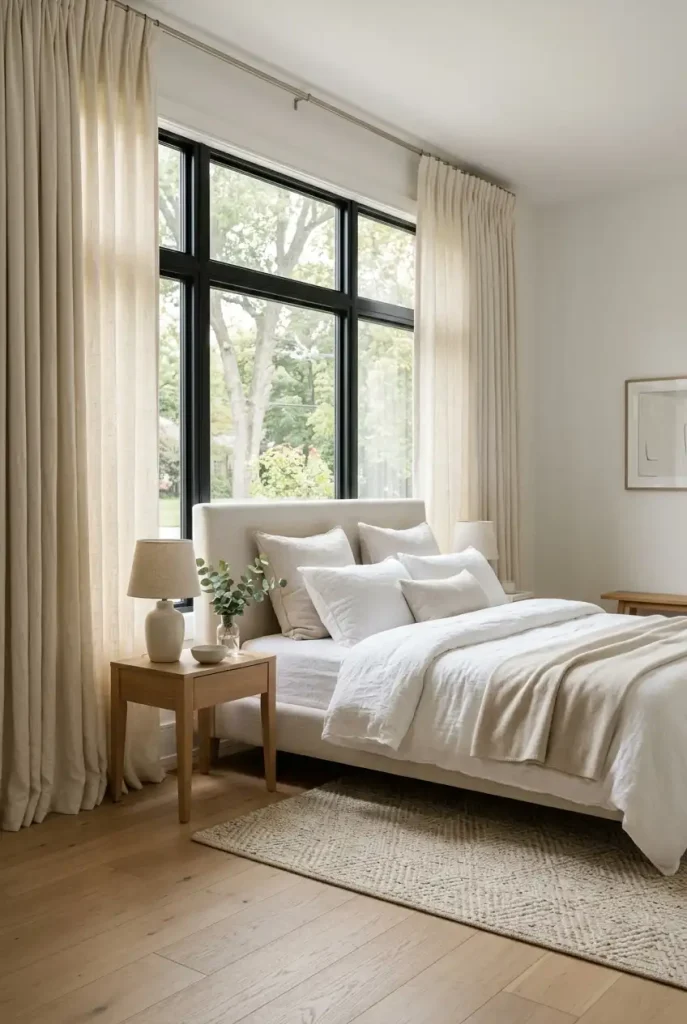
Long curtains can make a bedroom feel more finished by emphasizing the height of the windows and softening hard architectural edges. Linen or linen-blend panels in ivory, flax, or warm gray provide texture without distracting from the bed.
Whenever the layout allows, mount the curtain rod higher than the window frame and extend it beyond the sides. This can make the window appear larger and allow more daylight into the room when the curtains are open. Panels should generally skim the floor rather than stop awkwardly above it.
For a boutique hotel effect, consider combining decorative side panels with functional blackout shades or lined curtains. This gives you softness during the day and better control over privacy and nighttime light.
Create a Boutique-Style Bedside Setup
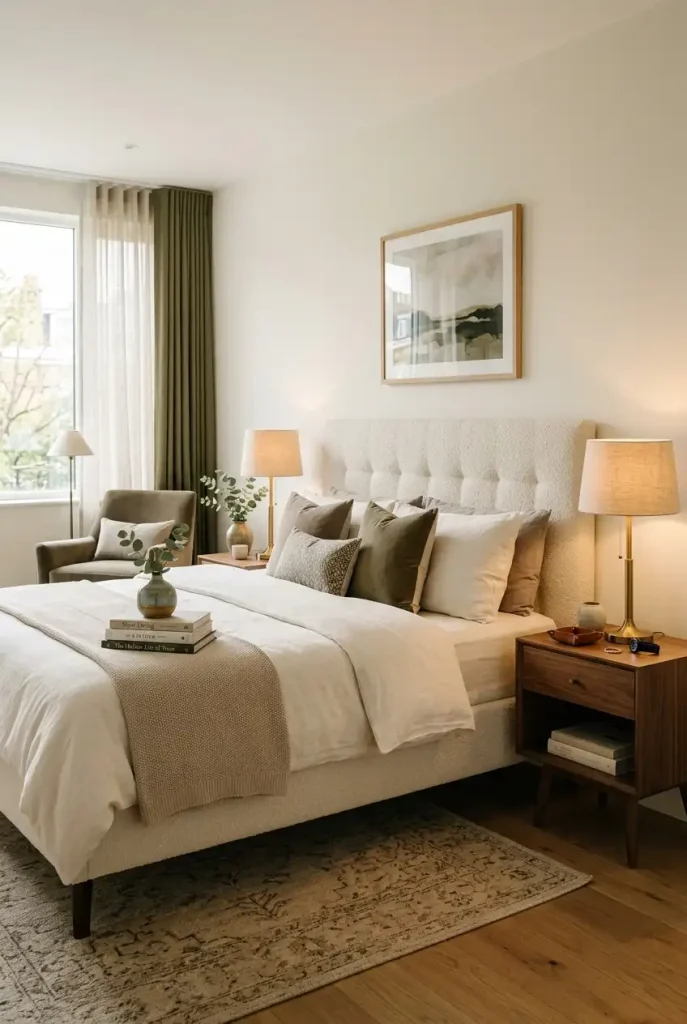
A coordinated bedside arrangement gives a bedroom the orderly appearance of a thoughtfully planned hotel suite. Matching nightstands are a classic option, particularly when paired with similar lamps and a centered bed. The arrangement doesn’t have to be perfectly symmetrical, however, as long as the visual weight remains balanced.
Choose bedside tables with enough surface area for essential items, then keep decorative accessories selective. A ceramic vase, a small stack of books, or a shallow tray can add personality without crowding the space.
If you need extra storage, look for nightstands with drawers rather than open shelves. Keeping charging cables, medications, and everyday clutter out of sight helps maintain a calm atmosphere.
Add a Textured Accent Wall Behind the Bed

A textured accent wall can make a bedroom feel more individual than a standard painted surface. Limewash-style finishes, subtle plaster textures, and softly mottled paint add visual depth without needing elaborate decoration.
Warm mushroom, muted clay, pale stone, and dusty olive are appealing choices for a relaxed, upscale atmosphere. Let the wall provide the interest, then keep the bedding relatively simple so the textures complement each other.
For a more accessible alternative, consider textured wallpaper or a carefully selected matte paint finish. If you’re renting, removable wallpaper may offer a temporary option, provided the wall surface and product instructions are suitable.
Choose Rich Wood Furniture

Rich wood furniture brings warmth and visual weight to a bedroom, especially when the rest of the palette is light. Walnut, smoked oak, and other deep brown finishes can make a simple bed frame and bedside tables feel substantial without relying on ornate details.
One effective approach is to pair dark wood with ivory bedding, a warm white wall color, and a soft neutral rug. This contrast helps the furniture stand out while preserving a restful atmosphere.
You don’t need to replace every piece at once. Start with the bed frame or nightstands, then introduce complementary wood tones through a bench, picture frames, or a small dresser. Slight differences in wood tone can work well when the undertones remain compatible.
Place a Bench at the Foot of the Bed

A bench at the foot of the bed adds a finishing layer that is both decorative and practical. It creates a place to set tomorrow’s outfit, arrange extra bedding, or sit while getting dressed. Upholstered benches offer softness, while timber designs provide a cleaner architectural look.
Choose a bench that suits the bed’s width and leaves enough room to walk around it comfortably. In a compact bedroom, a narrow bench or a small upholstered stool may be more useful than a large storage piece.
For a polished look, use a single folded throw or one small cushion rather than turning the bench into another crowded display surface.
Use Layered Lighting Instead of One Overhead Fixture
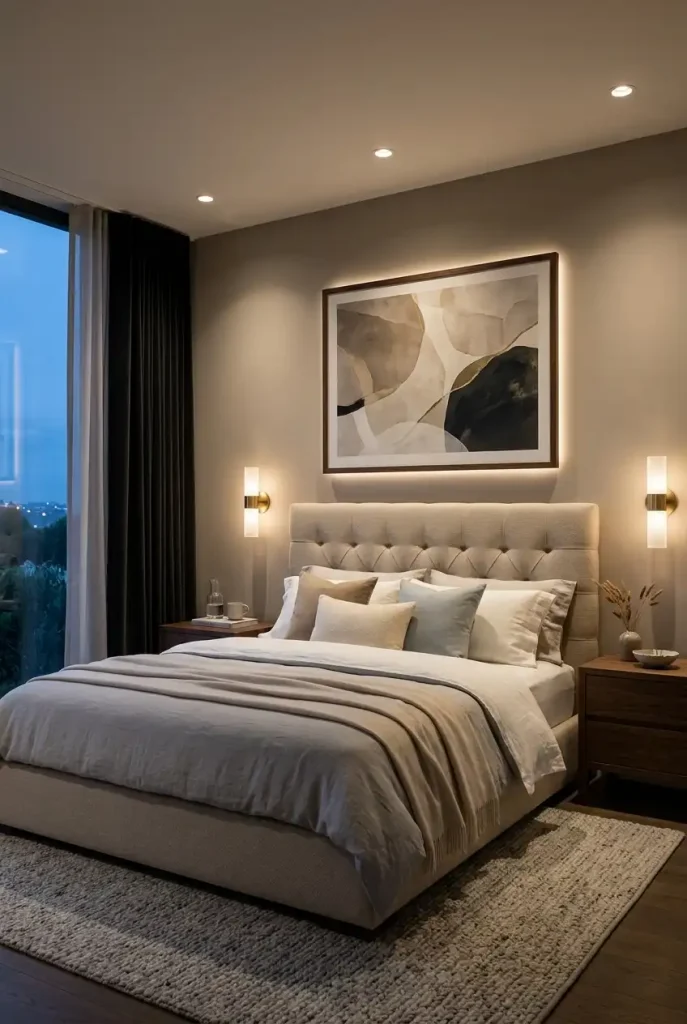
Lighting has a major influence on how a bedroom feels after sunset. A single bright ceiling light often creates a flatter atmosphere than a combination of ambient, task, and accent lighting.
Plan the lighting around how you use the room. A ceiling fixture provides general illumination, bedside lamps or sconces make reading easier, and discreet accent lighting can highlight artwork or architectural details. Dimmers are useful wherever compatible with the bulbs and fixtures.
A practical setup includes:
- Ambient light: a ceiling fixture or appropriately placed recessed lighting.
- Reading light: a bedside lamp or adjustable wall sconce.
- Accent light: a small fixture highlighting artwork or a textured wall.
- Nighttime light: a lower-intensity source for moving around without fully illuminating the room.
The result should be flexible, allowing you to move from getting dressed in the morning to winding down in the evening.
Introduce Velvet and Other Tactile Fabrics

Tactile fabrics help a bedroom feel inviting and visually rich. Velvet, brushed cotton, linen, boucle, and quilted textiles each create a different surface quality. Combining two or three of them gives the room depth without requiring a large collection of accessories.
For a restrained luxury look, start with neutral bedding and introduce one contrasting texture. Olive velvet pillows can add color to a cream bed, while a chocolate-brown throw creates warmth against pale linen. If you prefer a more subtle result, choose fabrics in similar shades and let their surfaces provide the variation.
Consider cleaning requirements before choosing delicate materials, particularly if the bedroom is used daily by children or pets.
Make Space for a Small Bedroom Sitting Area
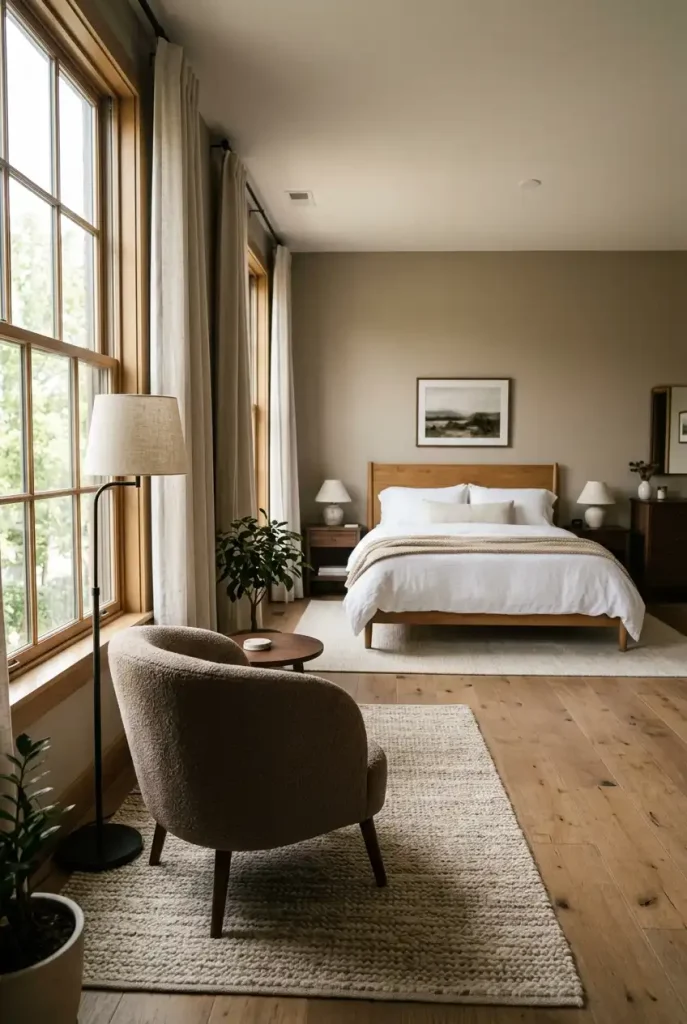
A compact sitting area can make a larger bedroom feel more like a private suite. You don’t need a separate lounge room: a comfortable accent chair, a small side table, and a floor lamp may be enough to establish a reading corner.
Position the chair near a window when possible, or use an unused corner away from the main walking route. A curved upholstered chair softens the room’s straight lines, while a small round table provides a useful surface without creating sharp corners in a tight passage.
In smaller bedrooms, a single accent chair often works better than trying to squeeze in two chairs and a large table. Preserve clear access to the bed, wardrobe, and doorway.
Install Floating Bedside Shelves
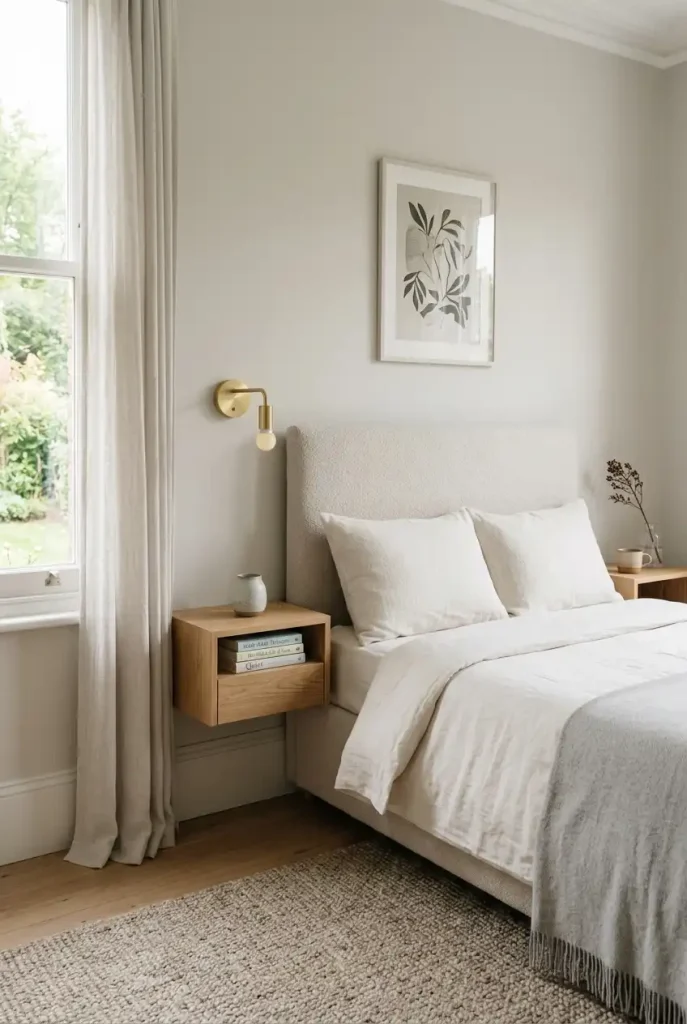
Floating bedside shelves are a smart alternative to traditional nightstands when floor space is limited. Their open space beneath makes the room feel less crowded, while a clean shelf profile keeps attention on the bed and surrounding finishes.
Choose a shelf deep enough to hold your everyday essentials, such as a phone, book, or small lamp if the electrical setup allows. Pair it with a wall-mounted reading light to free up more surface area. A small drawer or concealed cable-management solution can make the arrangement more practical.
Because floating shelves must support their intended load, use suitable fixings for the wall construction and follow the manufacturer’s installation guidance.
Add a Large Piece of Artwork Above the Bed
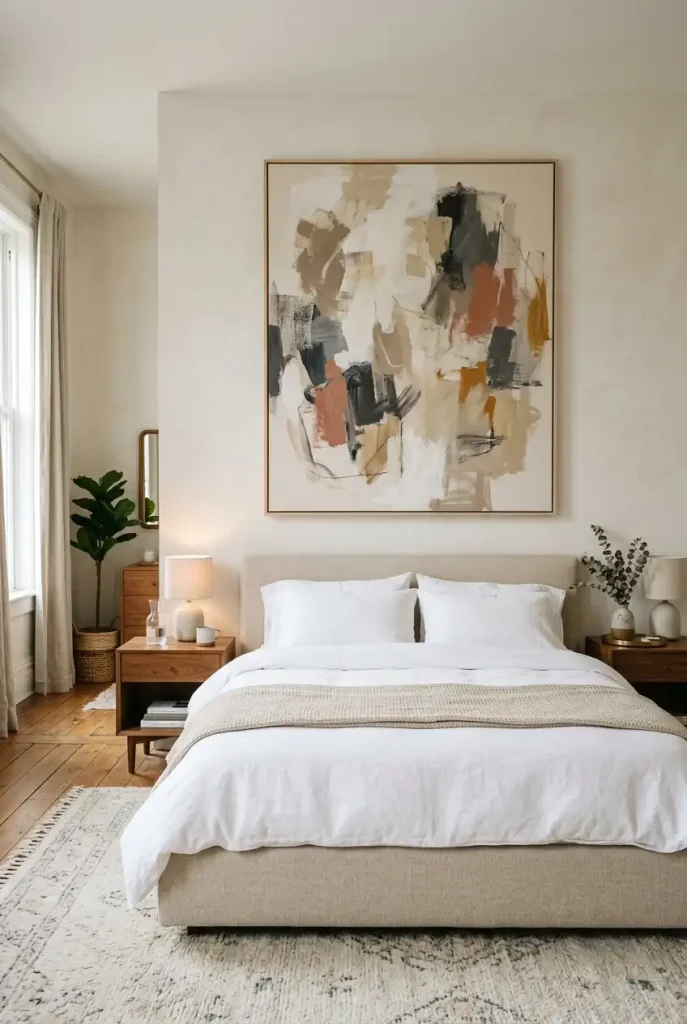
Artwork gives a bedroom a sense of personality that carefully matched furniture alone cannot provide. A large abstract painting, a muted landscape, or a textured canvas can anchor the bed wall and connect the room’s colors.
Choose artwork that complements the bedding and wall finish rather than matching every shade exactly. A composition with warm brown, soft ivory, and muted charcoal, for example, can bring together a walnut bed frame, cream textiles, and dark metal accents.
One substantial piece often creates a cleaner focal point than several small pictures arranged without a clear relationship. If you prefer a gallery wall, keep the frames and color palette coordinated.
Quick Tip: Before hanging artwork, mark its intended position with paper templates. This makes it easier to assess the scale and placement before putting holes in the wall.
Create a Spa-Inspired Bathroom Connection

If your bedroom connects to an en-suite bathroom, coordinating the two spaces can create the feeling of a private hotel suite. The effect comes from a consistent palette and complementary materials rather than making both rooms identical.
Carry a few colors from the bedroom into the bathroom through towels, cabinetry, or accessories. Warm wood, pale stone, brushed metal, and soft neutral textiles can create a visual connection between the spaces. If the layout allows, a clear glass shower enclosure or a thoughtfully framed doorway can make the transition feel more open.
A full bathroom renovation isn’t necessary. Even matching the metal finishes, coordinating the wall colors, and upgrading towels can make the rooms feel more cohesive.
Finish With a Minimal, Clutter-Free Design
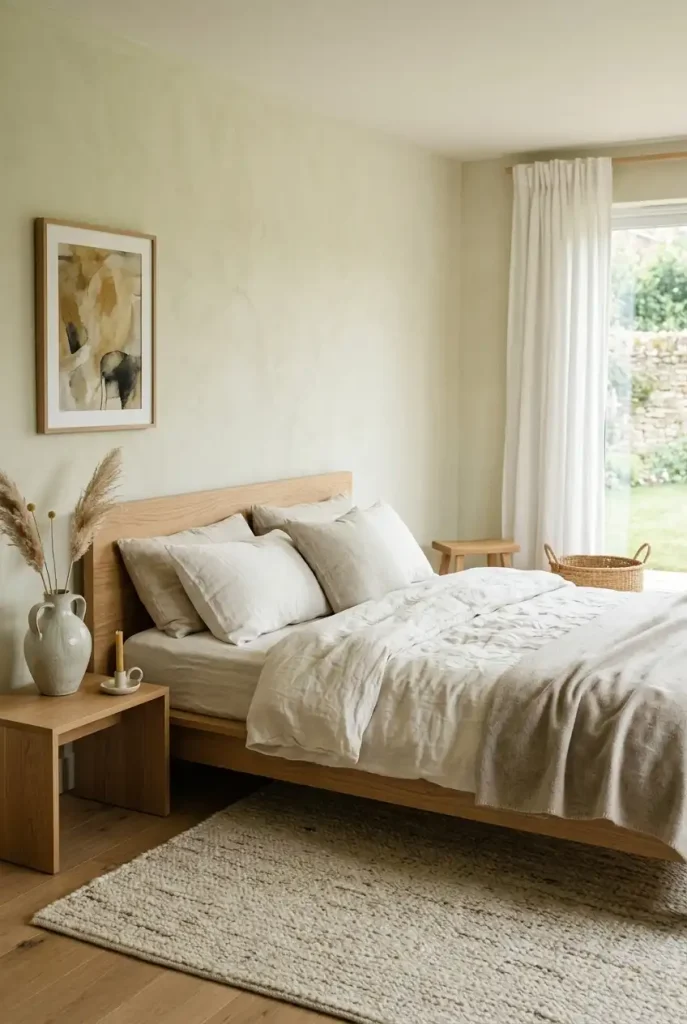
A restrained bedroom often feels more luxurious than one filled with decorative accessories. When the furniture, textiles, lighting, and architectural details are thoughtfully chosen, the room doesn’t need much else.
Keep the bedside surfaces relatively clear, limit decorative pillows to a manageable number, and give the most important pieces enough visual space. Concealed storage can help keep chargers, spare bedding, clothing, and everyday belongings from competing with the room’s design.
Minimalism doesn’t have to mean an empty or impersonal room. A favorite artwork, a ceramic vase, a textured throw, or a meaningful object can make the space feel lived-in without creating clutter.
A simple finishing checklist:
- Remove accessories that don’t contribute to the room’s comfort or appearance.
- Keep everyday essentials accessible but neatly organized.
- Check that bedside lighting is comfortable for reading and winding down.
- Leave clear walking paths around the bed.
- Choose a few materials and repeat them thoughtfully throughout the space.
How to Make Your Bedroom Feel More Like a Boutique Hotel
You don’t need to implement all 18 ideas to achieve a more refined bedroom. Start by identifying what currently makes the room feel unfinished, then prioritize the changes that address it.
| Your bedroom needs | Where to start |
|---|---|
| A more polished bed | Upgrade bedding and layer different fabrics |
| A stronger focal point | Introduce an upholstered headboard or large artwork |
| A calmer atmosphere | Simplify accessories and use warm neutral colors |
| Better nighttime comfort | Combine ambient, bedside, and accent lighting |
| More architectural character | Add wall paneling or a textured accent wall |
| A more spacious appearance | Use floor-to-ceiling curtains and appropriately scaled furniture |
| A more personal look | Introduce artwork, tactile fabrics, and meaningful accessories |
Small Details That Make a Difference
Pay attention to proportions. A large headboard can anchor a spacious bedroom, but oversized furniture may overwhelm a smaller one. Measure the room and preserve comfortable walking paths before purchasing anything substantial.
Choose quality where you interact with it most. Bedding, pillows, mattress comfort, and bedside lighting influence everyday use. Decorative upgrades matter, but a visually beautiful room should also be comfortable to sleep in.
Keep the palette consistent, not identical. Repeating a few colors and materials throughout the bedroom creates cohesion. Varying textures and finishes prevents the result from feeling like a matching furniture showroom.
Think about maintenance. Washable bedding, accessible storage, durable upholstery, and easy-to-clean surfaces make an elegant bedroom more practical for daily life.